There’s something electric about a physical retail store.
You feel it on a Saturday morning when the floor is full and the team is moving. You see it in a grand opening, a promo weekend, a “we’re busy” moment where the sales are visible and the energy is immediate. That’s the retailer’s high—traffic you can count, conversations you can hear, money you can reconcile by close of day.
And then we start talking about e-commerce.
No queues. No launch-day crowds. No instant buzz. Just a website, marketing spend, and the slow work of consistency. It’s common for a business owner to think—quietly, and completely reasonably:
“Am I building my own competition?”
No. What we’re engineering with you isn’t a second store fighting the first. It’s the system that powers the first
The Psychological Shift: From Storefront to Digital Infrastructure
Online doesn’t hand you the same dopamine hit as a packed store. It behaves more like infrastructure—steady, strategic, and compounding. You don’t “feel” it on day one, but you see it over time in better-quality foot traffic and faster conversions.
In the early stages, the work is unglamorous: consistent marketing inputs; increasing SEO and search visibility; Fine tuning paid traffic; Educating customers; Building customer trust. Here’s the shift that changes everything:
Your online store is not a second store. It’s a 24/7 digital billboard for your brand—working while you’re on the floor, after hours, and between seasons.
And in today’s consumer environment, trust is built long before anyone walks through your door
Modern Consumers Buy From Brands They Trust
We can build the cleanest in-store experience in the world—but the decision usually starts earlier, somewhere quieter. A customer is on their phone after hours, or between meetings, and they’re trying to answer one simple question: “Can I trust this place?”
Most buyers need multiple touch points before they convert. In practical retail terms, it often plays out like this:
1. They Find You on Google
They search. You show up. Your Google Business profile is verified. Your location is pinned on Maps. Reviews are visible. That single screen does a lot of heavy lifting.
2. They Visit Your Website
Now they’re checking if you feel legitimate. They’re scanning for professionalism, proof, and clarity—what you do, what you stock, and whether you look like a business that will still be there next month.
3. They Browse Your Online Store
This is where trust becomes operational. They can see the things that remove doubt**** namely you : product range; pricing; stock availability; related products they didn’t know they needed
Transparency creates confidence. Confidence reduces friction and friction is what kills conversions on your online store and in-store
The “Unmeasurable” Advantage: Pre-Shopping Behaviour
One of the biggest wins of an online store is also the hardest to measure cleanly:
Pre-shopping behaviour.
People don’t “just pop in” anymore—not the high-intent buyers. They do the homework first. Quietly. Efficiently. Usually at night. They compare prices, check availability and decide on options. They estimate their spend, then they finally walk into your store —arriving to confirm their order. By the time they’re in front of your counter, they often already know what they want, how much it will cost and if you have it in stock or not.
That single shift changes the in-store dynamic. Foot traffic time gets shorter. Decision-making gets faster. Conversion rates climb—because customers walk in with intent, not uncertainty
Online Stores Drive In-Store Revenue
A lot of retailers look at e-commerce and ask, “Is it selling online?”—and if the online order volume isn’t immediate, it feels like the channel isn’t working. That’s the wrong scoreboard. Your online presence is influencing your store visits, phone enquiries, quote request and product reservations.
We see it over and over: customers are far more likely to drive to you when they already know what they’re walking into—pricing, availability, range, and the general sense that you run a tight ship. Without that visibility, they don’t “wait and see.” They default to whoever makes the answers easiest to find
Transparency Increases Spending Confidence
When pricing and stock levels are visible online, something subtle happens: people relax. They feel in control. Budget anxiety drops and once a customer feels safe, they browse properly which is where basket size grows. They discover products they didn’t initially search for.
They understand the total cost before committing. They feel prepared, prepared customers convert better
The Efficiency Factor
This is what a digitally supported retail store starts to feel like when it’s working:
- faster in-store transactions
- higher-quality foot traffic
- reduced friction at checkout
- more predictable purchasing behaviour
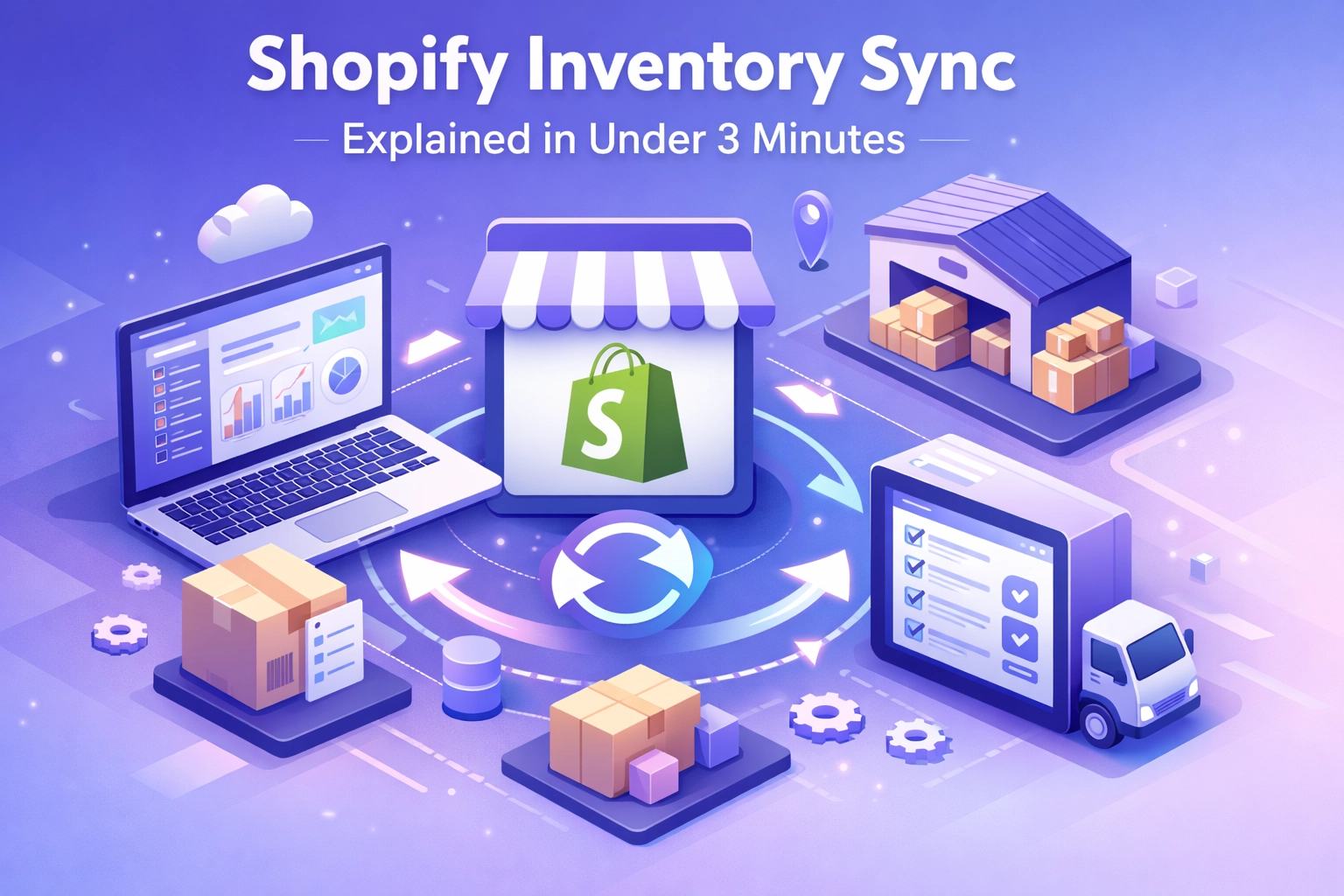
Customers can be in and out efficiently—but satisfied and satisfied customers return. What makes this sustainable is the part most people don’t see: real-time visibility. When we integrate your online platform with your ERP, the online store stops being a “catalogue” and becomes a live reflection of your operation—pricing, stock, product data, and orders moving in sync. That integration is the quiet heartbeat behind the digital salesperson. If the billboard is always on, the data behind it has to be always accurate
In today's day and age consumers expect online visibility on your operations, transparency on pricing and quantities on hand. They expect a professional digital presence that curates a seamless experiences between the online and offline store.
Retailers who view online as infrastructure unlock scale.
A physical store creates moments. An online store creates momentum and together, they create a system that compounds. When we architect this properly with you—store, online, marketing, and ERP integration acting as one engine—you don’t lose the magic of retail. You protect it. You feed it. You make it easier for the right customers to find you, trust you, and walk in ready to buy.
The question is no longer “Should we go online?”
It’s: “How much revenue are we leaving on the table by not letting digital do its job—24/7?”
Tagged with :