You're selling across online store, maybe Amazon, maybe a B2B portal. Someone buys your last widget on online store. Fifteen minutes later, another customer orders that same widget on Amazon.
Congratulations: you just oversold. Now you're issuing refunds, writing apology emails, and watching your seller rating tank.
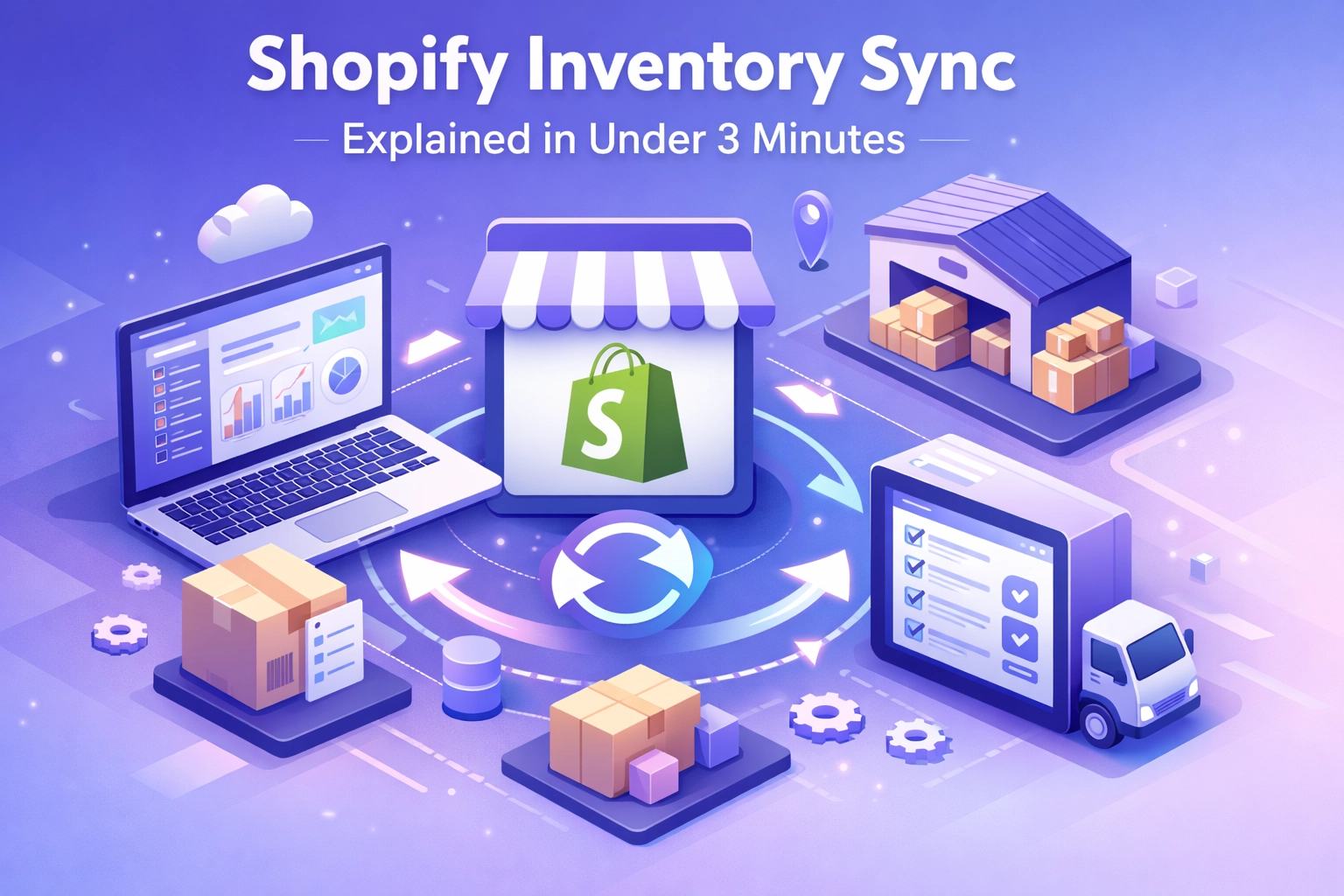
online store inventory sync prevents exactly this nightmare. It's the automated real-time connection between your inventory system and every sales channel you operate. When stock moves in one place, it updates everywhere: instantly.
Let's break down how it works, why manual updates will destroy your sanity, and how proper online store erp integration turns inventory chaos into clockwork precision.
The Manual Update Death Spiral
Picture this: You're running a retail operation with physical stores, a online store site, and maybe wholesale accounts. Every sale means manually updating inventory across multiple systems.
Here's what actually happens:
- Morning: Physical store sells 12 units. Someone needs to log into online store and adjust stock levels.
- Midday: Wholesale order comes through. Update the ERP, then remember to update online store.
- Afternoon: Online sale happens. Now the store staff needs to know not to sell those units.
- Evening: You discover you oversold three items because Karen at the store counter didn't get the memo about the online sales.
This isn't sustainable. You're not running a business: you're running a spreadsheet circus where the clowns are always juggling outdated numbers.
Manual inventory management doesn't scale. It breaks the moment you add a second sales channel, a second location, or hit any meaningful sales volume.
What online store Inventory Sync Actually Does
online store inventory sync is automated, bidirectional communication between your inventory source and your sales channels. When something changes in your warehouse management system, ERP, or designated inventory source, that change flows immediately to online store: and vice versa.
Here's the technical reality:
- Real-time webhooks trigger instant updates when stock levels change
- Committed inventory gets marked the moment a customer orders, preventing duplicate sales
- Multi-channel propagation ensures Amazon, eBay, physical stores, and online store all see the same numbers
- Single source of truth eliminates conflicting inventory counts across systems
When a customer orders two items on online store, the system immediately marks those units as committed inventory. They're removed from available stock across every sales channel before the payment even processes. Once the order ships, the inventory adjustment finalizes and syncs everywhere.
No human intervention. No spreadsheet updates. No overselling.
The Three Inventory Nightmares Sync Prevents
Overselling is the obvious one: selling products you don't have. It triggers refunds, damages customer trust, and destroys your reputation on marketplaces that penalize stock issues.
Underselling is equally costly but less visible. Your ERP says you have 50 units, but online store still shows 12 because someone forgot to update it. You're leaving money on the table because customers think you're out of stock.
Inventory drift happens when small discrepancies compound over time. Your physical inventory, ERP, and online store all show different numbers. Eventually, you don't trust any of them. You're forced into regular manual audits and stock counts, burning staff time on preventable problems.
How ERP Integration Makes Sync Actually Work
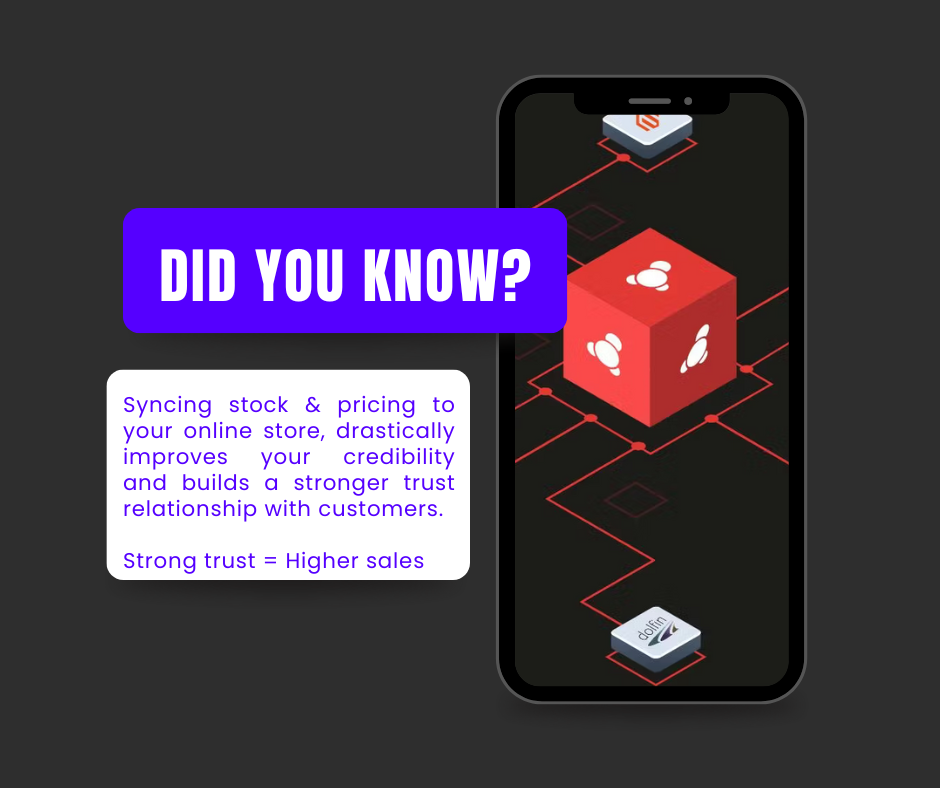
online store inventory sync doesn't exist in isolation: it's part of a larger online store erp integration architecture. Your ERP or warehouse management system becomes the authoritative inventory source. Everything else syncs to it.
This is where business process automation transforms from buzzword to operational reality. The integration handles:
- Purchase order updates flowing from your procurement system to available stock
- Warehouse transfers between locations updating online store inventory by location
- Returns processing adding units back to available inventory automatically
- Manufacturing completion triggering stock level increases when production finishes
We architect these integrations through what we call the Bytes Glue approach: connecting your ERP backbone to online store's front-end through proven online store integration services platforms like Stock2Shop. The result is a unified ecosystem where inventory truth lives in one place and propagates everywhere.
Your ERP doesn't just feed numbers to online store. It orchestrates the entire inventory lifecycle from procurement through fulfillment, with online store serving as one of many synchronized output channels.
The Multi-Location Complexity Problem
Single-store online store inventory sync is straightforward. Multi-location sync is where most implementations break.
You're running three physical stores, two warehouses, and online sales. A customer orders online for in-store pickup at Location A. That order needs to:
- Deduct inventory from Location A specifically, not general stock
- Prevent Location B and C from selling that unit
- Update your ERP to mark the item as committed
- Trigger fulfillment workflows specific to pickup orders
Without proper sync architecture, you get phantom inventory: numbers that look right but don't reflect actual availability at specific locations. Customers order for pickup, arrive at the store, and discover you don't actually have the product there.
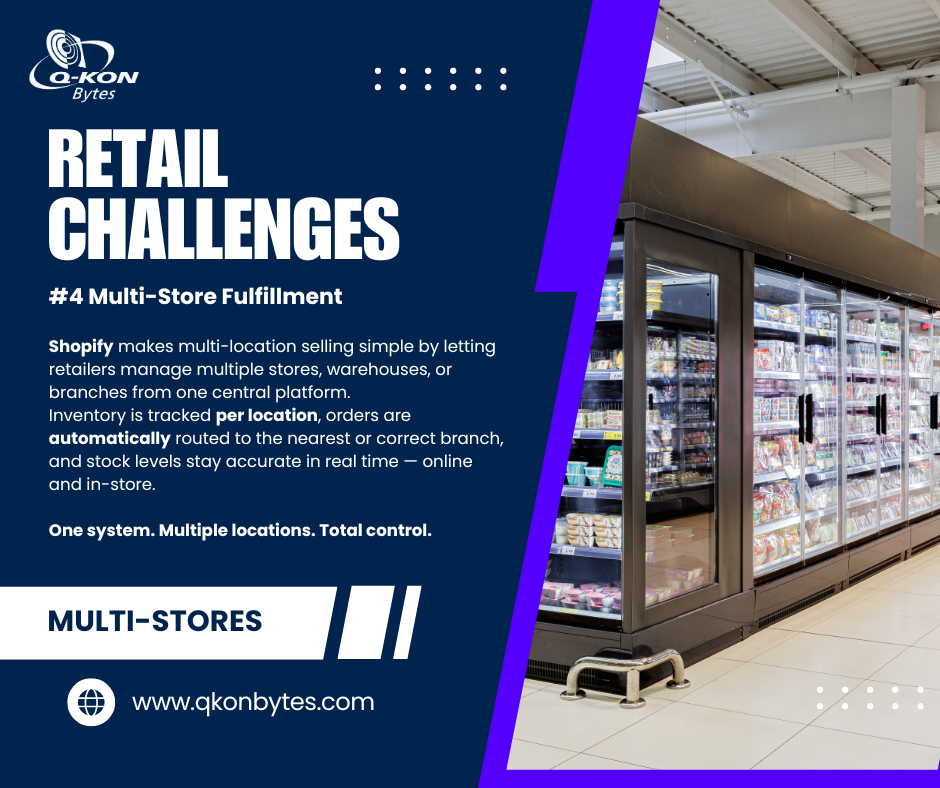
Location-aware inventory sync ensures stock levels reflect actual physical availability at each fulfillment point. When integrated with your ERP, it enables accurate available-to-promise calculations across your entire network.
Reconciliation: The Safety Net You Still Need
Even with real-time sync, periodic reconciliation matters. Different systems update at different order lifecycle stages: pending versus paid versus shipped. Brief timing discrepancies are normal.
Best practice reconciliation schedules:
- Daily reconciliation for high-volume stores moving hundreds of SKUs
- Weekly checks for moderate volume operations
- Real-time alerting when discrepancies exceed defined thresholds
Reconciliation catches edge cases where webhooks fail, API timeouts occur, or manual adjustments create drift. It's the audit layer that ensures your sync stays accurate long-term.
Why This Actually Matters for Your Business
Inventory sync isn't about technology elegance: it's about customer experience and operational efficiency.
Accurate inventory means customers trust your stock levels. They don't hesitate to order because they're unsure if you actually have the product. Trust converts to sales.

Real-time sync eliminates the administrative burden of manual updates. Your staff focuses on fulfillment and customer service instead of spreadsheet management. Your error rate drops to near-zero.
Multi-channel selling becomes viable without additional headcount. You can expand to Amazon, wholesale portals, and retail locations without proportionally expanding your administrative team.
This is the foundation of scalable retail operations. You don't grow by working harder: you grow by architecting systems that handle complexity automatically.
The Integration Architecture That Makes It Work
Proper online store inventory sync requires three layers:
ERP backbone serving as authoritative inventory source
Integration middleware (like Stock2Shop, Zapier, or custom APIs) handling bidirectional sync
online store frontend consuming and displaying real-time inventory data
The middleware layer is where most businesses fail. They try to build custom integrations without understanding webhook reliability, error handling, or reconciliation logic. They end up with fragile connections that break under load.
We engineer these integrations through proven online store integration services frameworks that handle edge cases, provide fallback mechanisms, and include monitoring layers. When sync fails: and eventually, something will fail: the system alerts you immediately instead of silently drifting out of accuracy.
This is business process automation that actually works in production environments, not demo presentations.
online store inventory sync isn't optional for multi-channel retail operations: it's the baseline requirement for preventing overselling disasters and maintaining customer trust. Manual inventory updates create guaranteed failure points that compound with every sales channel and location you add.
Real-time sync through proper online store erp integration transforms inventory from administrative burden to strategic advantage. Your customers see accurate availability, your staff stops drowning in spreadsheets, and your business scales without proportional complexity increases.
This is what we architect at QKON Bytes: not just online store implementations, but integrated retail ecosystems where inventory truth flows automatically from procurement through fulfillment. If you're still manually updating stock levels across channels, we need to talk.
Tagged with :