
Most retailers operate with fractured systems.
Your online store runs on one platform. Your physical POS uses different software. Inventory lives in a spreadsheet: or worse, in someone's head. Customer data exists in three separate databases, each telling a slightly different story.
When a customer buys online, someone manually updates the ERP. When stock arrives, someone types quantities into Shopify. When pricing changes, someone updates it in four different places and hopes nothing breaks.
This isn't retail infrastructure. It's operational friction disguised as "how things work."
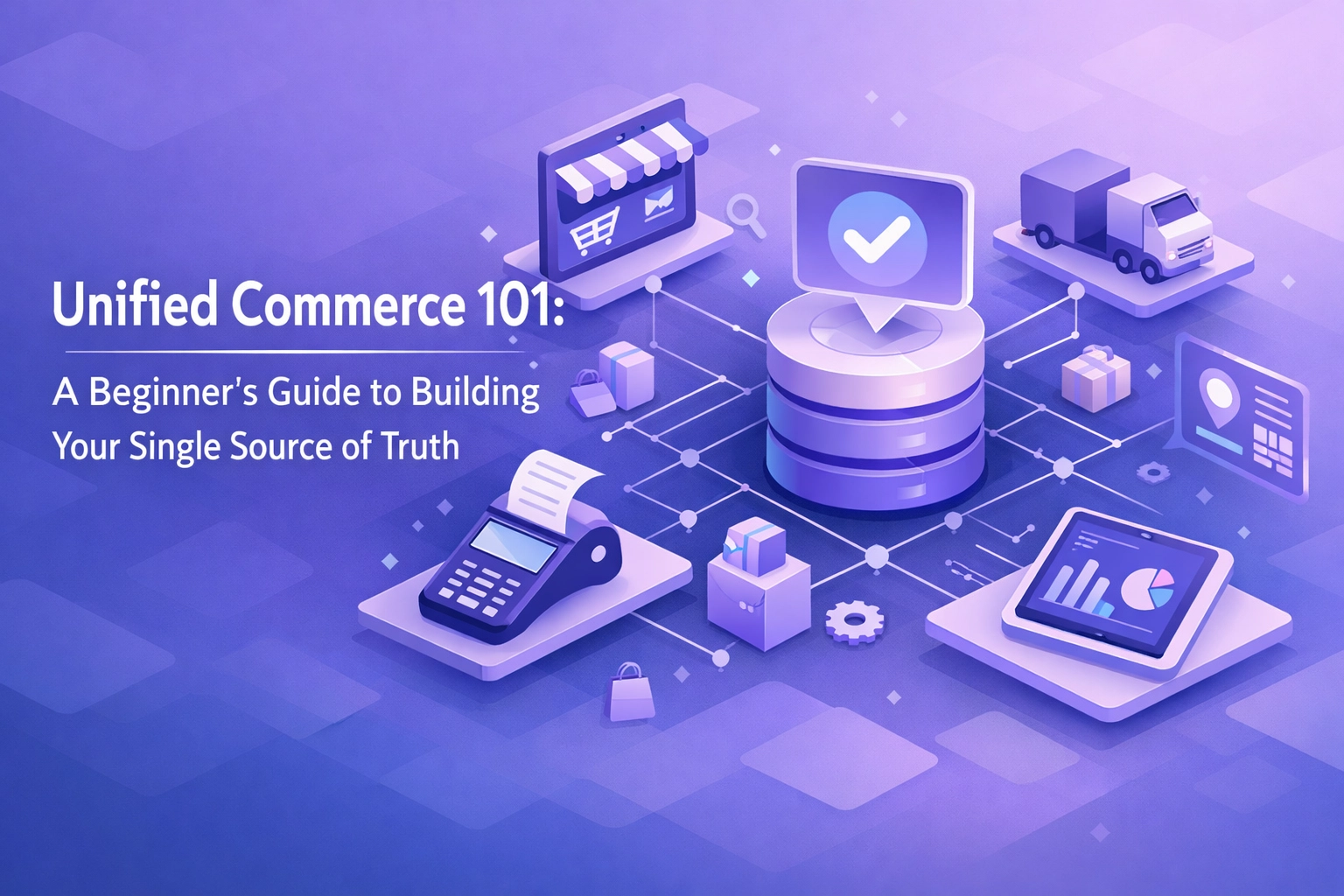
Unified commerce eliminates that friction by creating a single source of truth: one centralized system where inventory, orders, customer data, and transactions exist in real time, synchronized across every channel you operate.
The Evolution: From Chaos to Cohesion
Understanding unified commerce requires understanding what came before it.
Multi-Channel Retail
Multi-channel retail means operating multiple sales channels independently. You have:
- A physical store with its own inventory system
- An online store with separate stock counts
- Maybe a marketplace presence (Amazon, Takealot) with manual updates
- Each channel functions in isolation
The problem: No integration. No synchronization. No single view of truth.
Customers see one stock level online and encounter different availability in-store. Pricing discrepancies create confusion. Returns become administrative nightmares because systems don't communicate.
Omni-Channel Retail
Omni-channel improved the customer-facing experience by creating consistency across touchpoints. Customers could browse online and buy in-store. They could return online purchases at physical locations.
But behind the scenes? Still fragmented.
Systems remained disconnected. Staff managed integrations manually. Data lived in silos. Front-end consistency required back-end gymnastics.
Unified Commerce
Unified commerce integrates both front-end and back-end operations into one cohesive platform.
Every channel: online store, physical location, mobile app, B2B portal: connects to the same centralized data infrastructure. When inventory updates in your ERP, it reflects everywhere simultaneously. When a customer makes a purchase, every system knows instantly.
One platform. One database. One source of truth.

What Unified Commerce Actually Means
At its core, unified commerce is real-time data synchronization across your entire retail ecosystem.
It means:
- Centralized inventory management: Stock levels update across all channels simultaneously. No overselling. No manual adjustments. No "let me check and call you back."
- Unified customer profiles: Every interaction: whether online, in-store, or through customer service: contributes to one complete customer record.
- Synchronized order management: Orders placed anywhere flow through one system, enabling flexible fulfillment, accurate tracking, and seamless service.
- Consistent pricing and promotions: Price changes, discounts, and promotions apply across all channels without manual intervention.
The Single Source of Truth
This phrase: single source of truth: represents the foundation of unified commerce.
It means your business operates from one definitive data set, not multiple conflicting versions scattered across disconnected systems.
When your ERP holds master data for inventory, pricing, and customers, and that data flows automatically to your Shopify store, marketplaces, POS systems, and reporting tools, you've built a single source of truth.
The Technical Architecture: ERP + Shopify Integration
Unified commerce isn't theoretical. It's architectural.
For most retailers, the foundation is ERP-to-eCommerce integration: specifically, connecting your enterprise resource planning system to your online storefront.
Why ERP Is Your Master System
Your ERP manages:
- Inventory quantities and locations
- Product information and specifications
- Pricing structures and customer-specific rates
- Purchase orders and supplier relationships
- Financial transactions and reporting
This makes it the natural hub for your single source of truth.
Why Shopify Is Your Customer-Facing Interface
Shopify provides:
- Scalable e-commerce infrastructure
- Modern customer experience
- Multi-channel selling capabilities (online, retail, wholesale)
- Flexible fulfillment options
- Developer-friendly APIs for integration
The Integration Layer: Bytes Glue
At Q-KON Bytes, we architect unified commerce systems using Bytes Glue: our integration methodology that connects ERP systems to Shopify and creates that single source of truth.
This isn't middleware that duplicates data. It's synchronized infrastructure that ensures:
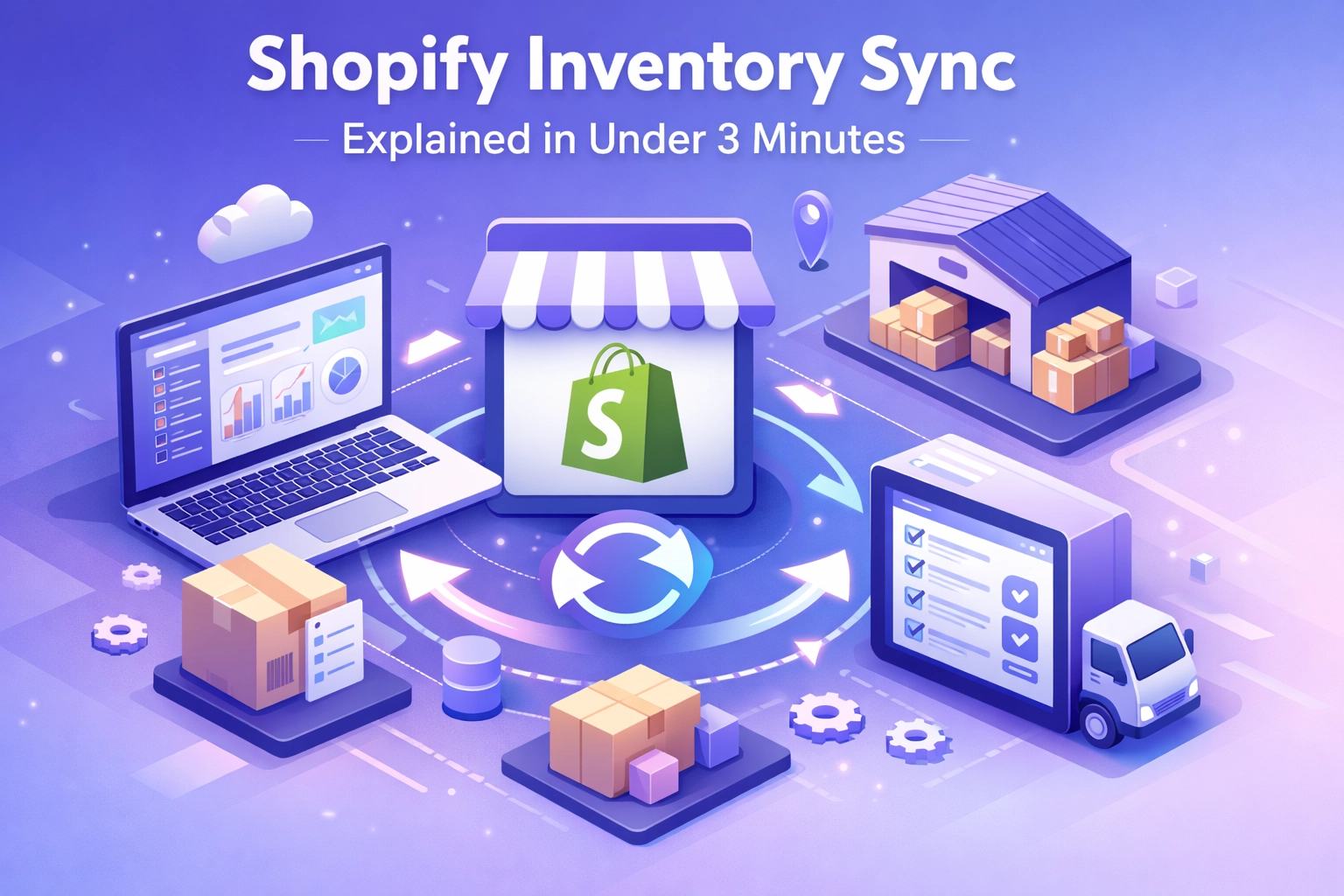
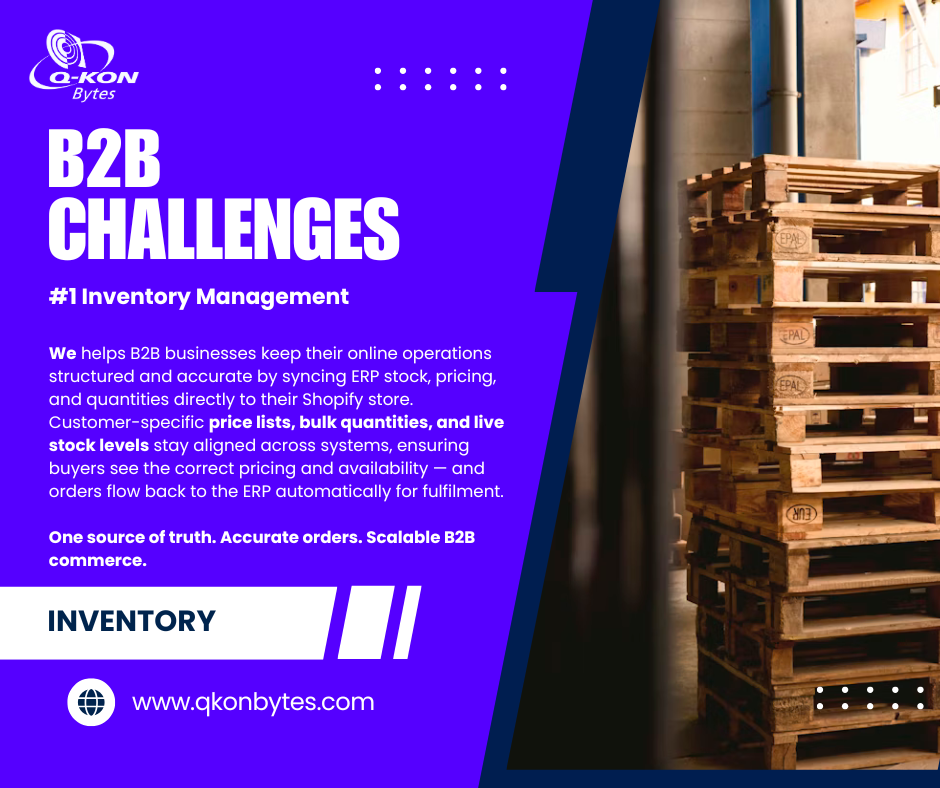
- Real-time inventory updates: When stock moves in your ERP, Shopify reflects it instantly
- Automated pricing synchronization: Customer-specific pricing, volume discounts, and promotional rates flow automatically
- Bi-directional order management: Orders placed online create transactions in your ERP without manual entry
- Unified product catalogs: Product information, specifications, and images maintain consistency across all channels
Our ERP integration expertise means retailers move from fragmented operations to unified systems: without rebuilding their entire infrastructure.
Eliminating Manual Data Entry and Preventing Overselling
Unified commerce solves two critical operational problems that plague disconnected retail systems.
The Manual Data Entry Problem
In fragmented systems, staff spend hours:
- Updating inventory counts across multiple platforms
- Entering orders from online stores into ERP systems
- Adjusting pricing when costs change
- Reconciling discrepancies between systems
- Correcting errors caused by duplicate entry
This creates:
- Operational inefficiency (staff time wasted on administrative tasks)
- Human error (typos, missed updates, incorrect quantities)
- Delayed information (data is only as current as the last manual update)
- Employee frustration (repetitive, low-value work)
Unified commerce eliminates this entirely.
When systems synchronize automatically, data flows without human intervention. Orders appear in your ERP the moment customers complete checkout. Inventory adjustments made during receiving immediately update online availability. Pricing changes apply everywhere simultaneously.
The Overselling Problem
Disconnected systems create a dangerous scenario: selling products you don't have.
Without real-time inventory synchronization:
- Your online store shows stock that's already been sold in-store
- Multiple customers can simultaneously purchase your last unit
- Stock allocated to one channel appears available in another
- Returns and exchanges don't update availability fast enough
The result: Canceled orders, disappointed customers, damaged reputation, and revenue loss.
Unified commerce prevents overselling through synchronized inventory management.
When your Shopify store pulls stock availability directly from your ERP in real time, customers only see what's actually available. When someone purchases, that inventory reserve happens instantly across all channels.
Creating Seamless Experiences Across All Touchpoints
Unified commerce doesn't just improve operations: it transforms customer experience.
Online-to-Offline Fluidity
Customers can:
- Browse online, check in-store availability, and reserve for pickup
- Purchase in-store and have items shipped to their address
- Return online purchases at physical locations without friction
- Access their complete purchase history regardless of channel
Consistent Information Everywhere
Whether customers interact with you online, in-store, or through customer service, they receive:
- Accurate stock availability
- Consistent pricing
- Unified loyalty program recognition
- Complete order history and tracking
Faster, More Confident Purchasing
When customers know the information they see is accurate: because it's synchronized in real time: they purchase with confidence.
No "I need to verify stock and call you back." No price discrepancies between channels. No uncertainty about fulfillment.
Trust increases. Friction decreases. Revenue grows.
The Q-KON Bytes Approach to Unified Commerce
We don't build websites. We architect retail ecosystems.
Our methodology for unified commerce starts with understanding your master data infrastructure: typically your ERP: and engineering integration layers that create seamless synchronization with customer-facing platforms like Shopify.
What We Build
- Real-time ERP-to-Shopify synchronization using Bytes Glue integration architecture
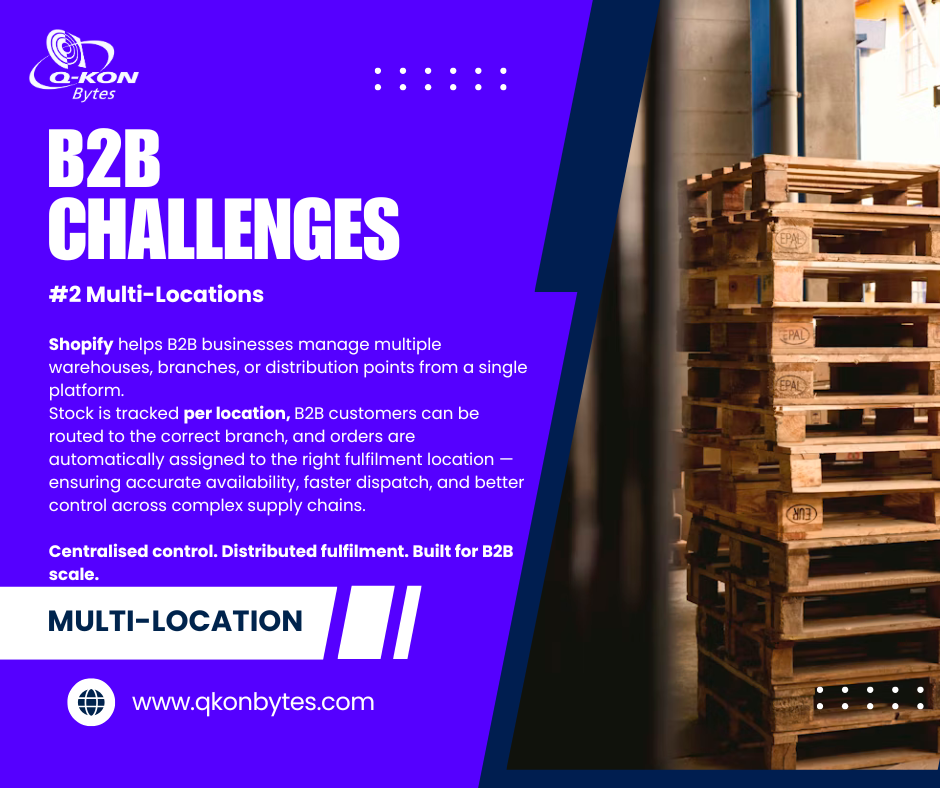
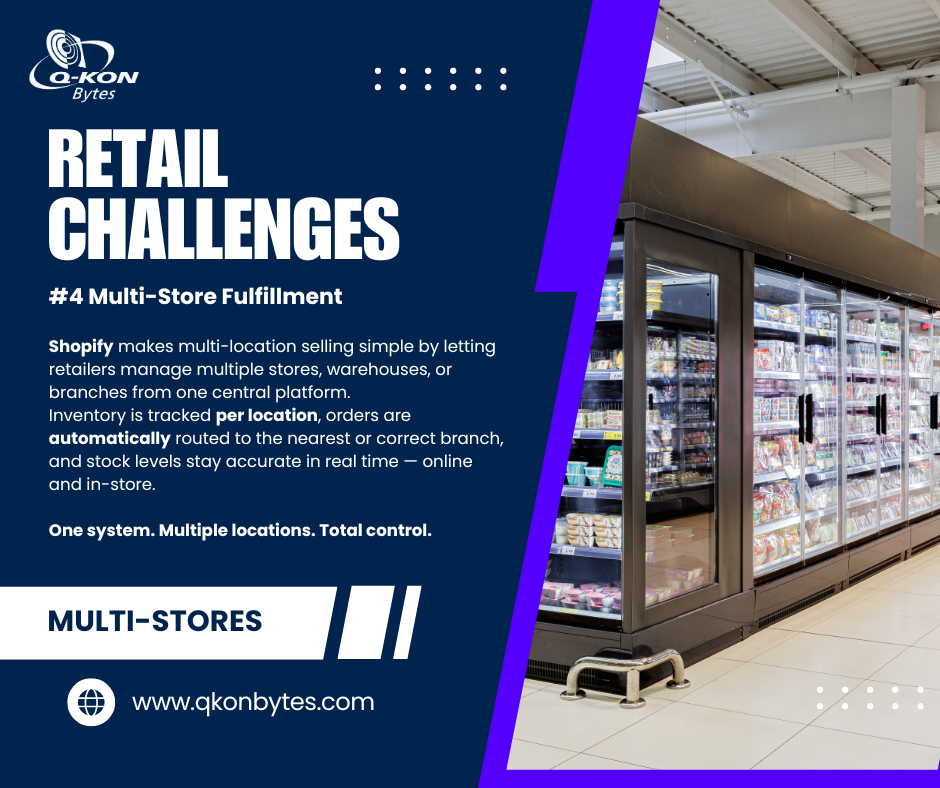
- Multi-location inventory management that tracks stock across warehouses, retail stores, and fulfillment centers
- B2B-specific functionality including customer-specific pricing, custom catalogs, and dealer portals (learn more about our B2B solutions)
- Automated order processing that eliminates manual data entry and reduces fulfillment time
- Unified reporting infrastructure that provides complete visibility across all channels
Why Integration Matters More Than Platform
Many retailers focus on choosing the right platform. That's important: but incomplete.
The integration layer determines whether you achieve unified commerce or just more disconnected systems.
Proper ERP integration ensures your Shopify store becomes an extension of your core business infrastructure, not a separate silo requiring constant manual reconciliation.
Getting Started with Unified Commerce
Building unified commerce doesn't require replacing your entire technology stack.
It requires strategic integration of existing systems.
Start by identifying:
- Your single source of truth: Where does master data currently live? (Usually your ERP or inventory management system)
- Your synchronization gaps: Which systems don't communicate? Where does manual data entry occur?
- Your customer touchpoints: Which channels need access to real-time inventory, pricing, and customer data?
From there, architect integration infrastructure: like Bytes Glue: that connects these systems and creates synchronized operations.
The Reality of Retail in 2026
Customers expect real-time accuracy. They expect seamless transitions between online and offline. They expect you to know who they are and what they've purchased, regardless of channel.
Delivering that experience requires unified commerce infrastructure.
Not separate systems stitched together with manual processes. Not omni-channel facades hiding fragmented back-ends.
One platform. One database. One source of truth.
Retailers who architect this infrastructure scale efficiently. Those who don't spend increasing amounts of time and money managing operational friction.
The question isn't whether to build unified commerce. It's whether you can afford to operate without it.
If you're ready to move from fragmented operations to unified infrastructure, contact Q-KON Bytes. We engineer retail ecosystems that scale: starting with integration that creates your single source of truth.
Tagged with :